TapDaDoge Info
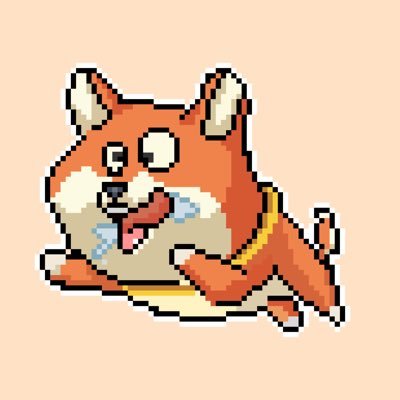
TapDaDoge promises an easily accessible, endlessly entertaining and rewarding experience. The player (You) takes control of their NFT Characters to jump over obstacles and in the process, earns various types of Points, which can be used in exchange for more goodies. The game is meant to have simple and intuitive mechanics that are tough to master but highly rewarding. Now, let’s get acquainted with our main cast of Characters (NFTs). Below are a limited sample of our Furry Friends, also known as “Doges”. You’ll notice that they have each been assigned a designation (e.g. “Unique”, “Legendary”, et cetera.).
TrustNet Score
The TrustNet Score evaluates crypto projects based on audit results, security, KYC verification, and social media presence. This score offers a quick, transparent view of a project's credibility, helping users make informed decisions in the Web3 space.
Real-Time Threat Detection
Real-time threat detection, powered by Cyvers.io,
is currently not
activated
for this project.
This advanced feature provides continuous monitoring and instant alerts to safeguard your assets from potential security threats. Real-time detection enhances your project's security by proactively identifying and mitigating risks.
For more information, click here.
Security Assessments
Summary and Final Words
No crucial issues found
The contract does not contain issues of high or medium criticality. This means that no known vulnerabilities were found in the source code.
Contract owner cannot mint
It is not possible to mint new tokens.
Contract owner cannot blacklist addresses.
It is not possible to lock user funds by blacklisting addresses.
Contract owner cannot set high fees
The fees, if applicable, can be a maximum of 25% or lower. The contract can therefore not be locked. Please take a look in the comment section for more details.
Contract cannot be locked
Owner cannot lock any user funds.
Token cannot be burned
There is no burning within the contract without any allowances
Ownership is not renounced
The owner retains significant control, which could potentially be used to modify key contract parameters.
Contract is not upgradeable
The contract does not use proxy patterns or other mechanisms to allow future upgrades. Its behavior is locked in its current state.
Scope of Work
This audit encompasses the evaluation of the files listed below, each verified with a SHA-1 Hash. The team referenced above has provided the necessary files for assessment.
The auditing process consists of the following systematic steps:
- Specification Review: Analyze the provided specifications, source code, and instructions to fully understand the smart contract's size, scope, and functionality.
- Manual Code Examination: Conduct a thorough line-by-line review of the source code to identify potential vulnerabilities and areas for improvement.
- Specification Alignment: Ensure that the code accurately implements the provided specifications and intended functionalities.
- Test Coverage Assessment: Evaluate the extent and effectiveness of test cases in covering the codebase, identifying any gaps in testing.
- Symbolic Execution: Analyze the smart contract to determine how various inputs affect execution paths, identifying potential edge cases and vulnerabilities.
- Best Practices Evaluation: Assess the smart contracts against established industry and academic best practices to enhance efficiency, maintainability, and security.
- Actionable Recommendations: Provide detailed, specific, and actionable steps to secure and optimize the smart contracts.
A file with a different Hash has been intentionally or otherwise modified after the security review. A different Hash may indicate a changed condition or potential vulnerability that was not within the scope of this review.
Final Words
The following provides a concise summary of the audit report, accompanied by insightful comments from the auditor. This overview captures the key findings and observations, offering valuable context and clarity.
Ownership Privileges
Staking.sol
- The owner can set the NFT contract address.
Note - This Audit report consists of a security analysis of the TapDaDoge smart contract. This analysis did not include functional testing (or unit testing) of the contract’s logic. Moreover, we only audited the mentioned contract for the TapDaDoge team. Other contracts associated with the project were not audited by our team. We recommend investors do their own research before investing.
Files and details
Functions
public
/
State variables
public
/
Total lines
of code
/
Capabilities
Hover on items
/
Findings and Audit result
medium Issues | 4 findings
Pending
#1 medium Issue
Missing 'isContract' check.
The contract lacks a validation check to ensure that specific parameters are contract addresses. Without this check, there is a risk that non-contract addresses (such as externally owned accounts, or EOAs) could be mistakenly set for parameters intended to reference other contracts. This could lead to failures in executing critical interactions within the contract, as EOAs do not support contract-specific functions. To mitigate this, Implement a validation check to ensure that parameters designated as contract addresses are verified as such. This can be done using Solidity’s Address library function isContract, which checks if an address has associated contract code.
Pending
#2 medium Issue
Missing Non-reentrant check.
The unstake function in the Staking contract is vulnerable to reentrancy attacks because it violates the checks-effects-interactions pattern. The function decrements totalStaked and updates token ownership records before making external transferFrom calls to the NFT contract. If the NFT contract contains malicious code that calls back into the unstake function, it could exploit the partially updated state to double-unstake tokens or create inconsistent contract states. To mitigate this vulnerability, the function should be restructured to follow the checks-effects-interactions pattern or use the reentrancy guard.
Pending
#3 medium Issue
No Duplicate Staking Protection.
There's no check to prevent a user from attempting to stake an NFT that's already staked (perhaps by another user who transferred ownership off-chain). Add validation to check if a token is already staked.
Pending
#4 medium Issue
NFT Contract Upgradeability Management Vulnerability
The Staking contract allows the owner to change the NFT contract address at any time via the setNft function without any safeguards. This creates a critical vulnerability where previously staked NFTs become permanently locked in the contract if the NFT address is changed. Since the contract would now point to a different NFT implementation, users can't unstake their original tokens as the transferFrom calls would be directed to the new contract, which doesn't recognize those token IDs. This can result in permanent loss of user assets, broken functionality, and potential exploitation by malicious contract owners. To mitigate this risk, implement these safeguards: require the contract to have zero staked tokens before allowing an NFT address change, add validation to ensure the new address is a valid ERC721 contract, and develop a proper migration mechanism that allows users to unstake from the old contract, and implement timelocks or governance for critical parameter changes.
informational Issues | 1 findings
Pending
#1 informational Issue
Floating pragma solidity version.
Adding the constant version of solidity is recommended, as this prevents the unintentional deployment of a contract with an outdated compiler that contains unresolved bugs.